Selling Sports Cards and Memorabilia From an Estate: What to Keep Together, What's Worth Checking, and Where It Goes
Sports collections are one of the most common hobbies families find when they clear a New Jersey home: shoeboxes of baseball cards in a bedroom closet, binders of 1990s basketball inserts, a few graded cards in hard plastic holders, a signed ball in a cube on a bookshelf, a framed jersey in the basement. Some of it may matter a great deal. Much of it usually doesn't. This guide covers how to keep the collection from losing value while the estate is sorted, how to tell the pieces worth a closer look from the bulk, how to treat autographs and their paperwork, and the realistic routes for each kind of item.
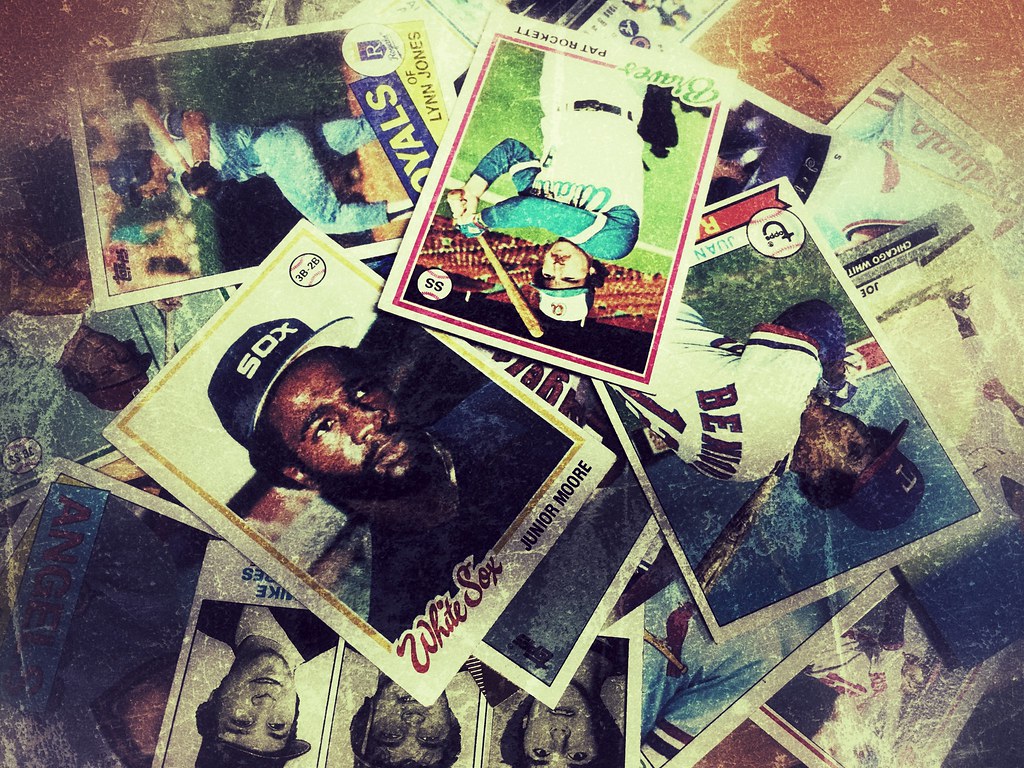
| What you find | What to know | Typical route |
|---|---|---|
| Graded cards in sealed holders | Verify each certification number on the grader's website | Specialist dealer or auction consignment |
| Cards from the 1970s and earlier | Fewer survived in good condition; condition matters a lot | In-person look by a specialist before any sale |
| Boxes and sets from about 1987 to 1994 | Mass-produced; most commons sell for little | Sort for exceptions, then dealer bulk offer or estate sale |
| Sealed packs, boxes and factory sets | Leave them sealed | Dealer, auction or online, depending on the product |
| Signed balls, bats, photos, jerseys | Value depends on authentication and provenance | Third-party authentication, then auction or dealer |
| Pennants, programs, bobbleheads, team gear | Mostly decorative or nostalgic value | Family, estate sale tables or donation |
Before Anyone Starts Sorting
- Don't clean, wipe, flatten or trim cards. Condition drives value, and graders and buyers look closely at corners, edges and surfaces. Any 'improvement' is more likely to cost money than add it
- Don't open sealed packs, boxes or factory sets. Unopened product is often sold as is, and once the wrapper is broken it can't be sold as sealed again
- Don't take cards out of graded holders, or signed balls and photos out of their cases. The holder or the case is part of what a buyer is paying for
- Keep autographed items out of direct sunlight and away from damp basements and hot attics. Ink can fade, and humidity can damage cards, photos and fabric
- Keep every letter, receipt, photo and certificate that goes with a signed or game-used item with that item. Provenance travels with the object or not at all
- Don't break up the collection yet. Keep binders, boxes, slabs and loose stacks together until someone knowledgeable has looked through them in person
First, Look for the Collector's Own Records
Before anyone puts a value on anything, search the desk, the closet and the boxes themselves for inventory lists, price guides with notes in the margins, receipts from card shops, shows or auctions, submission forms or invoices from a grading company, insurance riders, and any letters or photos that go with signed items. A collector who paid to have cards graded or insured a signed jersey usually had a reason. Grading company paperwork can also tell you which cards came back in holders and which are still out for grading. If the collector sold online, an old marketplace account or emails may show what they bought and sold.
Why Most Cards From the Late 1980s and Early 1990s Sell for Little
A large share of estate card collections were built between about 1987 and 1994, when card companies printed in enormous quantities and many people bought boxes as an investment. Collectors often call it the 'junk wax' era for that reason. Because so many copies survived in good condition, most common cards and complete sets from those years sell for very little individually, and full boxes of them are usually priced as bulk. There are exceptions, especially rare variations, a few rookie cards in top grades, and short-printed inserts, which is why it's worth having someone sort the boxes before they go out the door. But a family should expect that the volume of a collection from those years says little about its value. Older cards, roughly the 1970s and earlier, are a different story: far fewer survived in nice condition, and they deserve a careful look.
Graded Cards: Check the Holder Before You Trust It
A graded card sits in a sealed plastic holder with a label showing the grading company, the card, a numeric grade and a certification number. The best-known card graders include PSA, SGC, Beckett and CGC. Each lets you look up a certification number on its own website, which confirms that the number exists and matches the card described on the label. Do that for every graded card in the estate, and compare the card in the holder with any image the lookup shows. Counterfeit holders and labels exist, and a lookup is the simplest check a family can do itself. A card that hasn't been graded is called 'raw.' Grading costs money and takes time, so it only makes sense for cards a specialist thinks could be worth substantially more in a holder than out of one.
Autographs and Certificates of Authenticity
Signed balls, bats, photos and jerseys are where families are most likely to be misled, in both directions. Forgery has been a serious problem in sports memorabilia. The FBI's Operation Bullpen investigation broke up forgery rings that produced and sold fake autographed sports memorabilia with false certificates, and fakes remain common. A certificate of authenticity is only as credible as whoever issued it. A card from the store that sold the item is not the same as an opinion from a recognized third-party authenticator such as PSA/DNA, JSA or Beckett Authentication. Items signed in person, with a photo of the signing or a letter explaining where they came from, are better documented than items bought online with a generic certificate. If a signed piece could be valuable, have it authenticated before it's priced or sold, and keep every piece of paper that goes with it.
Clearing a Collector's Home in New Jersey?
Tell us about the house, what's in it and your timeline, and we'll match you with New Jersey estate sale companies. Ask each one how it handles card collections and signed memorabilia, and whether it sets them aside for a specialist. Free, no obligation.
Get Matched FreeGetting a Fair Read on the Collection
The cheapest useful step is a sort. Pull out graded cards, anything from before about 1980, sealed product, signed items and anything the collector kept separately in sleeves, top loaders or a binder. Those are the pieces worth a specialist's time. The rest, often the bulk of the boxes, can be valued as a group. A local card shop or a dealer at a card show can usually tell you quickly whether a box contains anything beyond commons, and showing the same box to two or three buyers is the easiest way to see what the market will actually pay.
For individual cards, completed and sold listings on the large online marketplaces are the most practical reference a family has, because they show real sale prices rather than asking prices. Compare like with like: the same card, the same year and set, and the same grade from the same grading company, or a raw card in similar condition. A raw card that looks sharp to the family is not the same as a card a grader has scored highly, and buyers price that uncertainty in.
When a Formal Appraisal Is Worth Paying For
A paid appraisal makes sense when the estate needs a documented value: for an estate inventory, a dispute among heirs, an insurance claim, a charitable donation, or because the collection may produce a taxable gain when sold. The IRS says net capital gains from selling collectibles are taxed at a maximum 28% rate, and inherited property generally starts from its value at the date of death, so a valuation made close to that date can matter to the people who inherit. Agree in advance on the fee and on whether the appraisal reports fair market value or replacement value for insurance. Expect the appraiser to focus on the better items rather than every common card.
Our guide to hiring an appraiser before an estate sale covers credentials and fee structures, and are estate sale proceeds taxable? explains how basis and gains work for the rest of the house. Collections often come in clusters, too; if the same closet holds medals or uniforms, see selling military memorabilia from an estate.
Where Inherited Sports Cards and Memorabilia Usually Go
- Kept or passed on. Cards of a favorite team or a signed ball from a game a parent attended often mean more to a grandchild than the money they'd bring
- A local card shop or dealer. Shops buy collections outright and pay quickly. They have to resell at a profit, so expect an offer below what single cards sell for, and get more than one
- A card show. Shows put several dealers in one room, so you can get competing offers on the same box in one afternoon
- Consignment to an auction house. Major sports auction houses take strong single cards, graded vintage and authenticated memorabilia on consignment. Ask for the commission, fees, minimum consignment value and payment timeline in writing before you ship anything
- Selling it yourself online. Searching completed and sold listings on a marketplace shows what similar items actually sold for, not what sellers are asking. Selling card by card takes real time, photos and shipping work
- The estate sale. Bulk commons, complete sets from the overproduction years, binders, supplies, pennants, bobbleheads and team merchandise can sell well on the tables. Strong cards and valuable signed items usually shouldn't go out there without a specialist's look first
Questions to Ask an Estate Sale Company
- Do you have someone who knows sports cards, or do you refer collections to a dealer, shop or auction house before the sale?
- Will you set aside graded cards, pre-1980 cards, sealed boxes and signed items for a separate evaluation instead of pricing them for the tables?
- If a dealer or auction house sells items through you, is your commission taken on top of theirs? Put the answer in the contract
- How do you display and secure cards and autographed items during the sale so nothing small walks out the door?
- What happens to cards that don't sell? Are they returned, donated or included in a buyout?
Red Flags
- A buyer who makes an offer on the whole collection from photos, before anyone has gone through the boxes
- Pressure to decide on the spot, especially from someone who answered a 'we buy cards' sign or ad
- A 'free appraisal' that turns into an offer to buy everything that afternoon. Ask up front whether you are getting an informal valuation or a paid appraisal
- Signed items sold with nothing but a generic certificate from an unknown company, especially at prices that seem too good
- Graded cards whose certification numbers don't come up on the grading company's website, or come up for a different card
If you're weighing whether to list the better cards online yourself or let an estate sale company handle everything, read estate sale vs. online marketplace first. For papers and personal items that should be pulled before any sale, see what not to sell at an estate sale. This page is general information, not an appraisal, authentication or tax advice.
Sources
- IRS Topic No. 409, Capital Gains and Losses (collectibles taxed at a maximum 28% rate), checked November 15, 2026
- IRS FAQ: Gifts and Inheritances (basis of inherited property)
- FBI: Operation Bullpen overview (forged sports and celebrity memorabilia)
- PSA: Certification verification lookup
- Photo: sterlinggraham, Baseball Card Collection (CC BY 2.0), via Flickr
Frequently Asked Questions
How do I find out what my father's baseball card collection is worth?
Start with any inventory, receipts or grading paperwork the collector left. Then have the collection looked through in person by a card shop, a dealer at a card show, or an auction specialist, and get more than one opinion. For individual cards, searching completed and sold listings online shows what comparable cards actually sold for. Price guides help identify cards, but asking prices and guide values are not what a buyer will pay.
Are baseball cards from the 1980s and 1990s worth anything?
Most common cards and sets from roughly 1987 to 1994 sell for little, because they were printed in huge quantities and many survived in good condition. Collectors call it the 'junk wax' era. Exceptions exist, including some rookie cards in top grades, rare variations and short-printed inserts, so have the boxes sorted before selling them in bulk.
Should I get inherited sports cards graded?
Only the cards a knowledgeable buyer or specialist thinks could be worth substantially more graded than raw. Grading has a cost and a wait, and most cards won't return more than that cost. Vintage cards of major players and well-preserved key rookie cards are the usual candidates.
How do I know if a graded card is real?
Look up the certification number printed on the label on the grading company's own website. PSA, SGC, Beckett and CGC all offer lookups. Confirm the number exists, that it matches the card described, and that the card in the holder matches any image shown. If anything doesn't match, have a specialist examine it before you sell.
Is a certificate of authenticity enough to prove an autograph is real?
Not by itself. A certificate is only as credible as its issuer. Forgery has been a major problem in sports memorabilia, as the FBI's Operation Bullpen investigation showed. For a potentially valuable item, get an opinion from a recognized third-party authenticator such as PSA/DNA, JSA or Beckett Authentication, and keep any photos or letters that show where the item came from.
Do I owe tax when I sell inherited sports cards?
Possibly, if they sell for more than their value when the collector died. The IRS says net capital gains from selling collectibles are taxed at a maximum 28% rate. Inherited property generally takes its value at the date of death as its starting basis, so a documented valuation can matter. Ask the estate's accountant before large sales; this page is not tax advice.
Should sports cards go in the estate sale?
Bulk commons, sets from the overproduction years, binders, supplies and team merchandise often sell well at an estate sale. Graded cards, pre-1980 cards, sealed boxes and valuable signed items usually do better with a specialist dealer or auction house. A good estate sale company will set those aside and tell you so.
Get Matched With an Estate Sale Company
Compare walkthroughs and written terms from New Jersey estate sale companies, including how they handle collections that belong with a specialist.
Get Matched Free