Selling Furniture From an Estate: What Sells, What Doesn't, and How to Decide Where Each Piece Goes
Furniture is usually the biggest thing in an estate by volume and often the most disappointing by value. A dining set that cost a lot in 1985, a bedroom suite that was always called 'good furniture,' a recliner, a sleeper sofa, a curio cabinet, and in the basement a few pieces that might be genuinely old. Families tend to guess wrong in both directions: they overrate the large matched sets and overlook the odd small table or the mid-century chair with a label under the seat. This guide walks through how to sort a house of furniture before anyone makes an offer, how to read the clues that separate antique from merely old, why you shouldn't refinish anything first, the federal safety rules that apply when used furniture is resold, and how to match each group of pieces to the route that actually moves it.
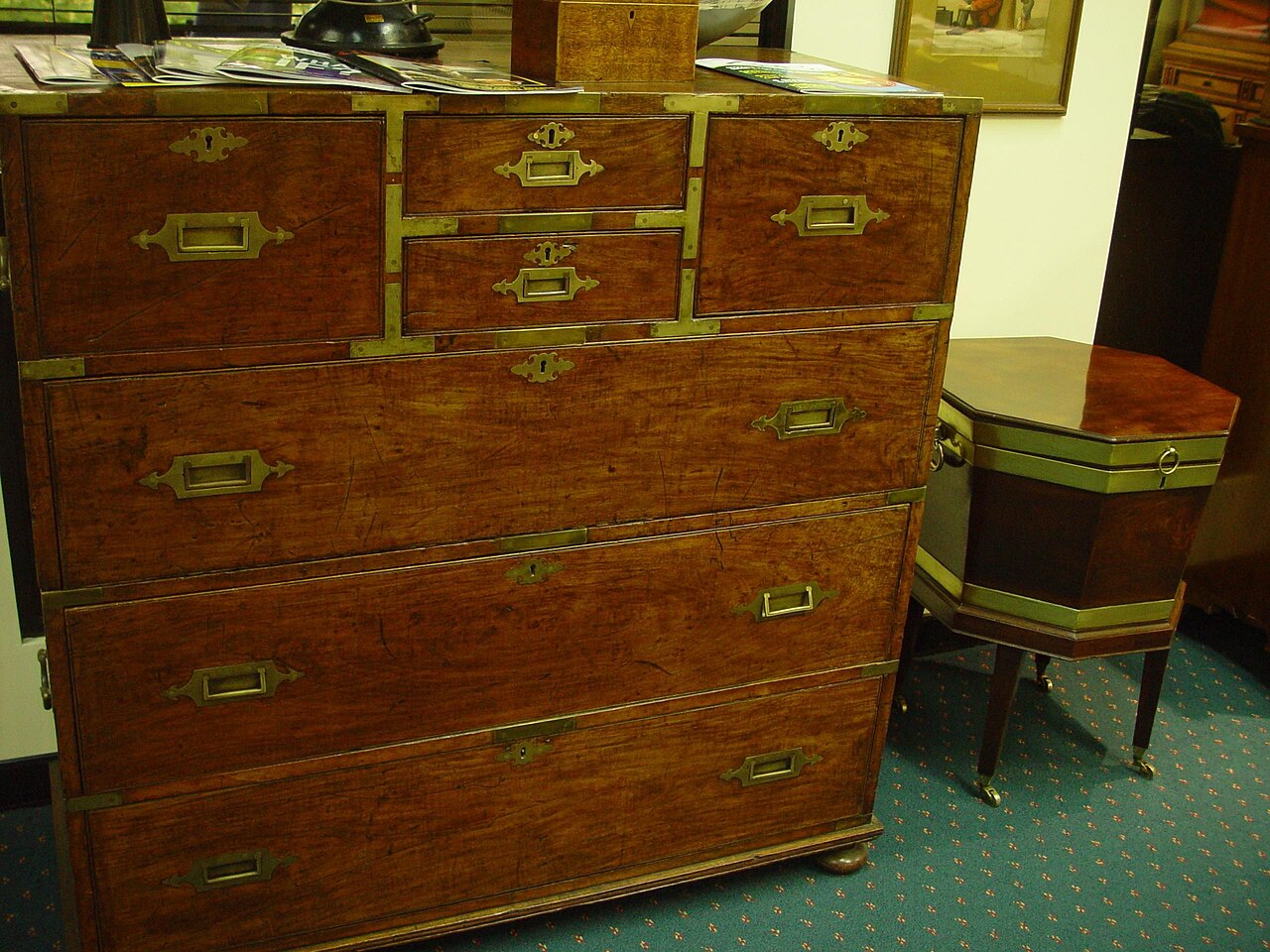
| What you find | What drives value | Typical route |
|---|---|---|
| Labeled or signed antique, or known mid-century maker | Maker, originality, condition, finish left alone | Get an expert look; auction or specialist dealer for better pieces |
| Solid-wood everyday pieces (small tables, chairs, chests) | Size, condition, usefulness in a smaller home | Estate sale |
| Large formal dining set, breakfront, full bedroom suite | Demand for big matched sets; moving logistics | Estate sale priced to move, split the set, or plan removal |
| Clean, current-style furniture in good condition | Style and condition | Consignment shop or estate sale |
| Upholstered pieces with smoke, pet or stain issues | Little resale value | Removal or hauling |
| Old cribs, recalled dressers, pre-2007 mattresses | Federal resale rules, not value | Don't sell; check cpsc.gov/recalls and plan disposal |
Start With a Room-by-Room List, Not a Single Number
Before calling anyone, walk the house with a phone and a notepad. Photograph each piece from the front, the side and the back, then open a drawer and photograph the inside of it. Write down rough dimensions for anything large, because the first thing a buyer or estate sale company will ask about a breakfront or a sectional is whether it fits through a door. Note obvious damage: veneer lifting, water rings, broken legs, pet damage, torn upholstery, smoke smell. Then sort the list into three columns: pieces family members want, pieces you're not sure about, and pieces nobody wants. The middle column is where most of the money and most of the mistakes are, so it's worth having someone experienced look at it before the house is emptied.
Look for a Maker Before You Look for a Price
A maker's name changes how a piece sells more than almost anything else. Check the back panel, the underside of tables and seats, the inside of drawers (especially the top drawer and the drawer sides), and the inside of cabinet doors. You're looking for paper labels, metal tags, ink stamps, branded or burned-in marks, and old retailer labels from department stores or furniture dealers. Mid-century modern pieces from well-known designers and manufacturers often carry labels or medallions that collectors look for, and reproductions usually don't. Write down any name, model number or city exactly as it appears, and photograph it. Don't peel or clean labels; a torn or missing label is one of the things buyers notice.
Construction Clues: Antique, Vintage, or Just Old
You don't need to become an expert to give a buyer useful information. Pull a drawer and look at how the front joins the sides. Hand-cut dovetails tend to be fewer, wider and slightly irregular; machine-cut dovetails are evenly spaced and identical. Look at the back panel and drawer bottoms: solid boards with saw or plane marks point to older work, while plywood, particleboard, hardboard and staples point to newer factory production. Check whether the top is solid wood or a veneer over a core, and look at the screws and hardware to see if they look original. None of this sets a value on its own. It tells an appraiser or estate sale company whether a piece deserves a closer look, and it keeps you from describing a 1970s reproduction as an antique.
Don't Refinish, Repair or Strip Anything First
The instinct to clean up a dresser before selling it is usually wrong. On antique and better vintage furniture, the original finish and the wear that comes with age are part of what buyers pay for, and stripping or refinishing can reduce what a collector will pay. A gentle dusting is fine. Leave scratches, worn edges and loose joints for the buyer to evaluate, and tell them what you know. The same goes for reupholstering: a dated fabric on a well-made frame is something a buyer can plan around, while a new fabric they don't like is a cost. If a piece is genuinely broken, set aside any loose parts in a labeled bag and keep them with the piece.
A Whole House of Furniture to Clear?
Tell us about the house and your timeline, and we'll match you with New Jersey estate sale companies that can walk through the furniture, flag pieces worth a closer look, and explain what happens to what doesn't sell. Free, no obligation.
Get Matched FreeRelated guides: pianos, safes and other large items an estate sale can't move, how to price items for an estate sale, and estate sale vs. consignment.
Safety Rules That Apply When Used Furniture Is Resold
Federal product safety law doesn't stop at new furniture, and an estate sale company or consignment shop will screen for these. The U.S. Consumer Product Safety Commission's Resellers Guide says it is illegal to sell any product that has been recalled (Section 19 of the Consumer Product Safety Act, 15 U.S.C. 2068), unless it was repaired under the recall. For a family clearing a house, that means a few specific checks before something goes on the sale floor or into a listing.
- Dressers, chests and armoires: CPSC notes that millions of dressers have been recalled for tip-over hazards and tells resellers to check cpsc.gov/recalls before accepting one. Clothing storage units 27 inches and taller are expected to meet the stability and anchoring requirements of ASTM F2057-19
- Cribs: CPSC's guide lists most cribs manufactured before June 2011 among products resellers should not sell. A family crib that's been in the attic usually goes to the curb, not the sale
- Nursery and toddler furniture: CPSC tells resellers not to sell play yards, toddler bed rails and similar durable infant products that are broken, wobbly or missing parts, even if they haven't been recalled
- Mattresses: mattresses and foundations made after July 1, 2007 must carry a permanent label certifying they meet the federal flammability standard. CPSC recommends that mattresses made before 2007 not be resold
- Storage chests and trunks: CPSC tells resellers to destroy recalled storage chests with automatic locks, because children have died in them
- Painted furniture: furniture with a surface coating is covered by the federal lead-in-paint rule (16 CFR part 1303), and CPSC says pieces made before 1978 are more likely to have lead paint. Don't sand old painted pieces to 'freshen them up' before a sale
- Broken or unstable pieces: CPSC recommends resellers not sell broken, cracked or unstable furniture
Where Estate Furniture Usually Sells
- Estate sale: the usual route for a full house. Buyers come to the house and carry pieces out, which solves the moving problem for everyday furniture, bedroom sets, kitchen tables and outdoor furniture. Ask the company how it prices furniture, whether it discounts on the final day, and what happens to large pieces that don't sell
- Consignment shop: suited to clean, current-style or better-quality pieces in good condition. Expect the shop to choose what it takes, set the price and keep a percentage when it sells. Get the split, the time limit and the pickup terms in writing
- Auction house: for antiques, signed or labeled pieces and better mid-century furniture where a wider pool of bidders matters. Ask about the seller's commission, any photography or moving charges, and whether there's a reserve
- Dealers and buyouts: a dealer or company may offer one price for selected pieces or the whole house. Fast and simple, but you're trading price for speed, so compare it against what an estate sale would net
- Online marketplace: works for a few mid-size pieces if you're local and patient. You handle photos, messages, no-shows and letting strangers into the house
- Donation: some charities and resale stores pick up furniture in good condition. Policies vary by location and they can decline pieces, so call before you promise a pickup date. For tax treatment, see our donation guide
- Hauling: for pieces with structural damage, heavy wear or safety problems, removal is usually the honest answer
Why the Big Matched Sets Are the Hardest to Sell
Large formal dining sets, china cabinets, breakfronts and full bedroom suites are often the pieces a family is most attached to and the ones the market is slowest to absorb. Many buyers today live in smaller homes and apartments, and a nine-piece set needs a truck, two strong people and a room big enough to hold it. That doesn't mean these pieces are worthless; it means pricing and logistics decide whether they sell. An experienced estate sale company may split a set, price it to move, or tell you plainly that a piece is unlikely to sell and should be planned for removal. Hearing that before the sale is better than finding a dining room still full afterward. Our guide to large item removal covers pianos, safes, pool tables and other items that are hard to move.
Upholstered Pieces, Smoke and Pets
Sofas, recliners, upholstered chairs and mattresses are judged harder than wood furniture. Buyers notice smoke odor, pet hair, stains and sagging cushions immediately, and those pieces tend to sell for little or go to removal. Lift recliners and sleeper sofas are also heavy and awkward to move. If a piece is in excellent condition and from a recognizable maker, mention it; otherwise, assume upholstered furniture is part of the cleanout plan rather than the profit plan, and don't spend money cleaning or repairing it before an expert has seen it.
Taxes When Heirs Sell Inherited Furniture
This is general information, not tax advice. Under 26 U.S.C. 1014, inherited property generally takes a basis equal to its fair market value at the date of death (or the alternate valuation date if the executor elects it). Used household furniture usually sells at or below that value, so most families see little or no taxable gain on it. If the estate includes a valuable antique or designer piece, a written appraisal near the date of death documents the basis and supports the price you ask. New Jersey inheritance tax and sales tax questions are covered in our separate guides.
Questions to Ask Before You Accept an Offer or Sign a Contract
- Which pieces do you think are worth more than ordinary used furniture, and why?
- Would any of these do better at auction or with a specialist dealer?
- Are you pricing pieces individually, as sets, or as one lot for the whole house?
- What happens to furniture that doesn't sell, who arranges removal, and who pays for it?
- Will you check dressers, cribs, mattresses and children's furniture for recalls before the sale?
- Who is responsible if a piece is damaged moving it out of the house?
- Will you put the offer or the commission terms in writing?
For what's left after the sale, see what happens to unsold items after an estate sale and estate sale donation tax deductions. If relatives want certain pieces, read dividing heirlooms and sentimental items. This page is general information, not an appraisal or legal or tax advice.
Sources
- CPSC: Resellers Guide to Selling Safer Products (recalled products, cribs before June 2011, clothing storage units, mattresses, storage chests, lead paint)
- CPSC: Clothing Storage Units business guidance
- CPSC: Stopping the Online Sale of Recalled Products
- CPSC: Recalls search
- 26 U.S.C. 1014: Basis of property acquired from a decedent
Frequently Asked Questions
Is old furniture worth anything when settling an estate?
Some is, but most everyday used furniture sells for modest amounts. Value depends on the maker, quality of construction, style demand, condition and how hard the piece is to move. Signed or labeled antiques and better mid-century pieces can sell well; large formal dining sets, bedroom suites and worn upholstered furniture usually sell slowly or for little.
How can I tell if a piece of furniture is antique?
Look for a maker's label or stamp on the back, underside or inside drawers, then check construction. Irregular hand-cut dovetails and solid boards with tool marks point to older work, while evenly machine-cut joints, plywood, particleboard and staples point to factory production. Treat these as reasons to get an expert opinion, not as a valuation.
Should I refinish furniture before selling it?
Usually no. On antique and better vintage pieces, the original finish is part of the value and refinishing can lower what collectors pay. Dust it, keep loose parts with it, and let the buyer or estate sale company judge condition.
Can I sell an old crib or dresser at an estate sale?
It depends on the item. CPSC says it is illegal to sell recalled products, lists most cribs made before June 2011 among products resellers should not sell, and tells resellers to check dressers for tip-over recalls before selling them. Check cpsc.gov/recalls for the brand and model first.
What happens to furniture that doesn't sell at an estate sale?
It depends on your contract. Some companies arrange donation pickups or buy remaining items; others leave the house as-is and you hire a cleanout or hauling service. Agree on the plan for unsold furniture before the sale, in writing.
Get Matched With an Estate Sale Company
Compare walkthroughs and written terms from New Jersey estate sale companies that handle furniture, the contents of every room, and the plan for what doesn't sell.
Get Matched Free