Selling Books From an Estate: How to Tell Which Old Books Are Worth Something
Books are one of the slowest parts of an estate to clear. There are usually hundreds of them, they are heavy, and almost everyone has heard a story about a first edition found in a box in the attic. Most estate libraries are made up of ordinary reading copies that sell for little, but the exceptions are real and they're easy to miss if the books are boxed up and donated on day one. This guide shows how to sort a library quickly, the specific things booksellers look for, what the condition words in a listing actually mean, which kinds of books rarely have value no matter how old they are, and how to decide between an antiquarian dealer, an auction, an estate sale and donation.
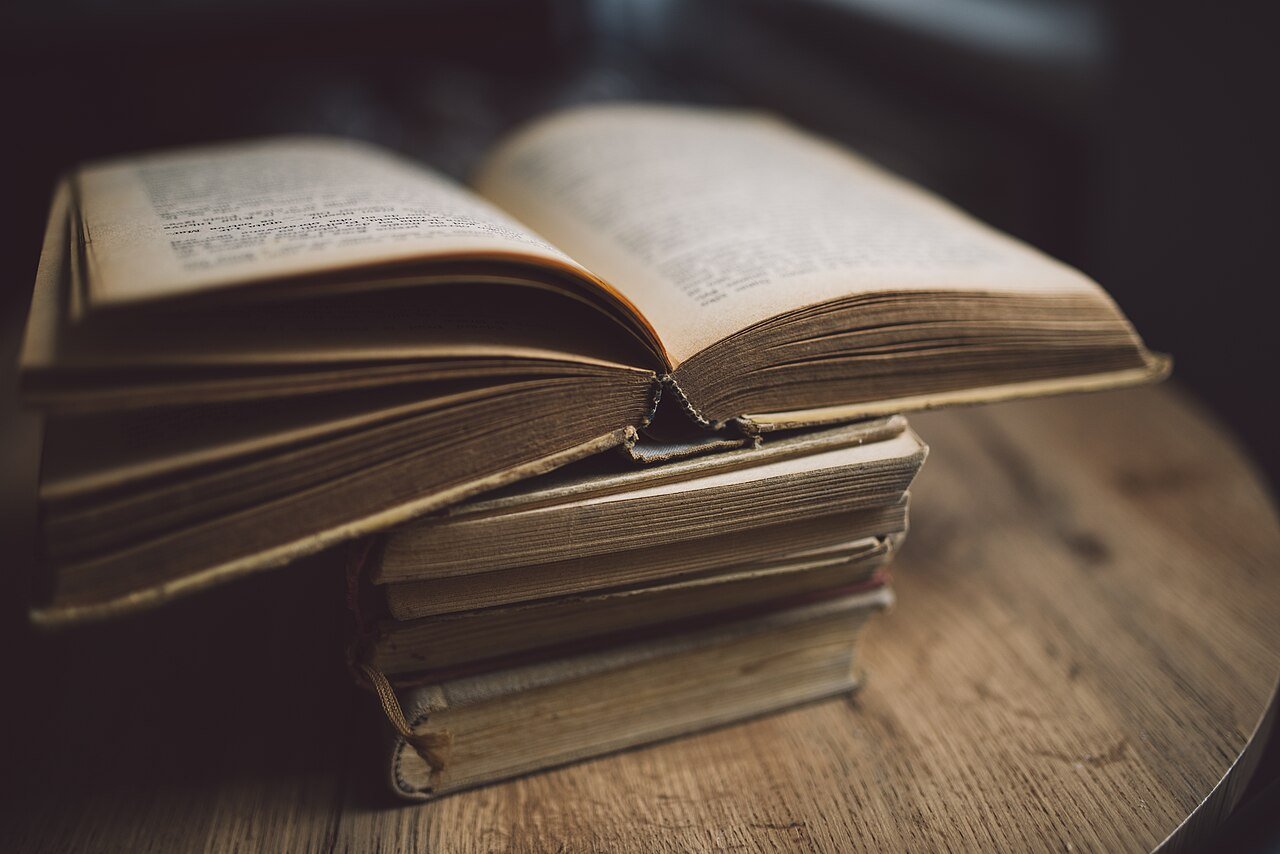
| What you find | What to check | Typical route |
|---|---|---|
| Books printed before about 1900, leather bindings, sets | Completeness, binding condition, title and publisher; age alone doesn't set value | Have a bookseller look before the sale |
| 20th-century hardcovers that say 'First Edition' | Number line, single publication date, original dust jacket, not a book club edition | Specialist dealer if confirmed and in good condition; otherwise estate sale |
| Signed or inscribed books, letters tucked inside | Whose signature, to whom, and whether it can be connected to the author | Dealer or auction for notable names; keep family papers |
| Book club editions, Reader's Digest condensed books, encyclopedia sets | 'Book Club Edition' on the jacket, no ISBN or price | Estate sale, library sale or recycling |
| Children's and illustrated books in jackets | Edition, completeness, jacket condition, no scribbles or missing plates | Set aside for a closer look; estate sale for the rest |
| Moldy, water-damaged or broken books | Smell, stains, loose or missing pages | Recycling unless something unusual is inside |
First, Don't Box Everything Up
The most common mistake is packing a whole library into boxes before anyone looks at it. Once books are in cartons, nobody wants to open forty boxes to look for three good ones, and damp basements and hot garages do real damage in a single season. Leave the books on their shelves if you can. If the house has to be emptied quickly, pull out the shelf sections that look most promising (older bindings, leather, sets, signed books, local history, children's books in jackets) and keep them together and dry. Don't throw out loose papers tucked inside books until someone has looked at them; letters, photographs and documents sometimes matter more than the book they're in.
A One-Afternoon Sort: Three Piles
- Look closer: books printed before about 1900, leather or vellum bindings, books with author signatures or inscriptions, early editions of well-known 20th-century titles still in their dust jackets, illustrated and children's books in good condition, local or regional history, maps and atlases, and anything with handwritten notes from a notable person
- Probably reading copies: recent bestsellers, paperbacks, textbooks, book club editions, and common titles printed in large numbers
- Usually little resale value: encyclopedia sets, Reader's Digest condensed books, outdated reference books, and books with mold, water damage or missing pages
- Set aside anything personal before the sale: family Bibles with handwritten records, annotated cookbooks, diaries and scrapbooks. They may matter to relatives even if they mean nothing to a buyer
What Makes a Book Valuable
Age alone doesn't. AbeBooks, one of the largest used and rare book marketplaces, notes that common books such as the works of Shakespeare, prayer books, Bibles and encyclopedias were printed in huge quantities during the Victorian era and usually have little value. The Antiquarian Booksellers' Association of America (ABAA) says the value of a particular copy depends on its condition, its binding, its provenance (who owned it) and the significance of any inscription. Scarcity and demand sit on top of that: a book few people want stays inexpensive even if few copies survive. When a dealer or appraiser asks about a book, they want a short list of facts. The State Library of Pennsylvania's research guide lists eight: author, title, place of publication, publisher, date of publication, size (height), kind of binding, and condition. Most of that is on the title page or the back of it. Writing it down for the twenty books you think might matter is the most useful hour you can spend before calling anyone.
A Whole Library to Clear?
Tell us about the house and your timeline, and we'll match you with New Jersey estate sale companies that can walk through the books with the rest of the contents, flag what deserves a specialist, and explain what happens to what doesn't sell. Free, no obligation.
Get Matched FreeRelated guides: selling inherited art and collectibles, hiring an appraiser before an estate sale, and selling a record collection.
Is It Really a First Edition?
Families often find the words 'First Edition' on a copyright page and assume they've found something. The ABAA warns against placing blind faith in those words. Publishers have left 'First Edition' on the copyright page of later printings, and the row of numbers below it (the number line) often tells the real story: if it reads 10 9 8 7, the lowest number is 7 and the copy is a seventh printing. The Enoch Pratt Free Library's guide to evaluating old books gives the same rule and adds that a book is probably not a first edition if it shows more than one publication date or a phrase like '2nd Printing.' There is no single rule that works for every publisher, which is why the ABAA points people to reference guides and to member booksellers. The ABAA also notes that condition generally trumps printing: unless a book is exceedingly rare, many buyers will value a later printing in excellent condition over a first edition in tatters.
Book Club Editions: The Most Common Disappointment
A shelf of handsome hardcovers from the 1950s through the 1990s is often a shelf of book club editions. The ABAA glossary describes them as usually inexpensive reprints on lower-quality paper and binding, sold by subscription, and in general of low monetary value. The clues it lists: a discreet 'Book Club Edition' note somewhere on the jacket, no ISBN or year on the copyright page, a smaller trim size than the bookstore edition, and a jacket with no printed price or barcode, sometimes with a blank back panel. The Independent Online Booksellers Association's condition standards say a book club edition must always be described as one, whatever its condition. Fine-press publishers such as the Folio Society and the Limited Editions Club are a different category; the ABAA notes they reissue books with top-quality materials, and they're worth setting aside for a closer look.
How Dealers Describe Condition
Condition decides most book prices, and the trade uses a fairly standard vocabulary. Knowing it helps you describe books accurately on the phone and understand what you're reading in online listings.
- As New or Fine: no faults or defects. Near Fine: approaching that, with a couple of very minor defects that must be noted
- Very Good: shows some signs of wear; any defects must be noted
- Good: the average used book, complete and intact, with defects noted. In bookselling, 'Good' is not a compliment
- Fair: worn, with complete text but possibly missing endpapers or a half-title. Poor or Reading Copy: complete, legible text and little else
- Ex-library: must always be noted, whatever the condition. Library stamps, pockets and labels lower value
- Dust jacket: graded separately. The State Library of Pennsylvania notes that a missing jacket should be mentioned if the book was issued with one, and that a jacket, even a torn one, adds value. Keep every jacket with its book
- Foxing: brown spots in the paper. Signed or inscribed copies and any repairs should always be mentioned
How to Check What Similar Copies Sell For
The Library of Congress doesn't appraise books, but its Ask a Librarian service points people to large used-book search sites (Addall, Bookfinder and Vialibri) to compare copies. AbeBooks suggests searching by title, author, publisher and date, filtering for hardcover, dust jacket and signed copies where they apply, and using the ISBN alone for books published from 1970 on. Two cautions from the libraries themselves: these are asking prices set by sellers, not sale prices, and the Pratt Library notes that listed prices include the dealer's markup, so a dealer buying from you will offer less. Match edition, printing, jacket and condition before you trust a comparison; a 'first edition' listing for a fine copy in a jacket tells you nothing about a later printing without one.
Where Estate Books Usually Go
- Antiquarian or specialist bookseller: the right first call for older, rare, signed or specialist books. The ABAA's member directory can be searched by specialty and location. Expect an offer below retail; ask whether they buy outright or take books on consignment
- Formal appraisal: if an estate needs documented values for probate, insurance or a large donation, AbeBooks recommends paying for a formal appraisal from a rare book specialist. The Library of Congress points to auction houses, antiquarian booksellers and professional bodies such as the American Society of Appraisers
- Auction house: suited to genuinely rare books, important collections and signed material where a wider pool of bidders matters. Ask about the seller's commission and any photography or cataloging charges
- Estate sale: the practical route for general reading copies, cookbooks, decorative books by the foot, children's books and sets. Ask the company to pull anything that looks better for a dealer before the sale opens
- Used bookstore or library friends' sale: some will take general books, but they choose what they want and many decline encyclopedias, textbooks and damaged books. Call first
- Recycling: for moldy, water-damaged or badly broken books with no special value. Mold can spread to other books and isn't something to pass on
Storing Books While the Estate Is Settled
If the house will sit for months, books are worth a little care. Guidance summarized from the Library of Congress says to keep books in a cool, dry place out of direct light and away from radiators and vents, shelved upright with books of similar size or lying flat, and handled with clean hands. Plastic tubs and cardboard boxes in a damp basement are where estate libraries get ruined. If you have to box books for a move, pack them spine-down or flat, keep boxes off concrete floors, and label which boxes came from which shelves so the 'look closer' pile stays together.
Taxes and Paperwork
This is general information, not tax advice. Under 26 U.S.C. 1014, inherited property generally takes a basis equal to its fair market value at the date of death (or the alternate valuation date if the executor elects it). Most estate books sell for modest sums, often below that value. If the library includes a valuable book or collection, a dated appraisal near the date of death documents the basis and supports the price you ask. Donating a large collection raises its own appraisal questions, covered in our donation guide.
Questions to Ask a Dealer or Estate Sale Company
- Which books, if any, would you recommend selling separately from the estate sale, and why?
- Are you making an offer to buy, or offering to sell on consignment? What percentage do you keep?
- Will you put the offer in writing with a list of the books it covers?
- Do you handle signed books, early printings or local history yourselves, or refer them to a specialist?
- What happens to books that don't sell, and who pays to remove them?
- Will you return family papers, photographs and letters found inside books?
For what's left after the sale, see what happens to unsold items after an estate sale and estate sale donation tax deductions. If relatives want particular books, read dividing heirlooms and sentimental items. This page is general information, not an appraisal or legal or tax advice.
Sources
- ABAA: Frequently Asked Questions (value factors, first editions, condition)
- ABAA: Identifying First Editions (number lines, condition vs. printing)
- ABAA Glossary: Book club edition
- Independent Online Booksellers Association: Condition Definitions
- State Library of Pennsylvania: Book Collecting research guide
- Library of Congress, Ask a Librarian: How much is my book worth?
- Enoch Pratt Free Library: Evaluating Old Books
- AbeBooks: Finding the value of old books
- 26 U.S.C. 1014: Basis of property acquired from a decedent
Frequently Asked Questions
Are old books from an estate worth anything?
Some are, most aren't. Value depends on the specific edition, printing, condition, dust jacket, scarcity and demand, plus any signature or notable ownership. Age alone isn't enough: AbeBooks notes that Victorian-era Bibles, prayer books, Shakespeare and encyclopedias were printed in huge numbers and usually have little value. Pull older, signed, specialist and well-kept early editions for a closer look and treat the rest as reading copies.
How do I know if a book is a first edition?
Check the title page and the back of it. A book is probably not a first edition if it lists more than one publication date, says '2nd printing,' or has a number line whose lowest number is higher than 1. Publishers use different conventions and some leave 'First Edition' on later printings, so the ABAA recommends reference guides or a member bookseller to confirm.
Are book club editions worth anything?
Usually very little. The ABAA glossary calls them inexpensive subscription reprints of low monetary value. Look for 'Book Club Edition' on the jacket flap, no price or barcode on the jacket, no ISBN or date on the copyright page, and a slightly smaller size than the bookstore edition.
Should I donate or sell an estate's books?
Sort first. Have anything that looks old, signed, specialist or unusually well kept looked at by a bookseller or the estate sale company before you donate. General reading copies usually go through the estate sale or to a library or used bookstore that wants them. Call before you deliver, because many places decline encyclopedias, textbooks and damaged books.
Who appraises old books?
Antiquarian booksellers, auction houses with book departments, and appraisers who specialize in books and manuscripts. The Library of Congress doesn't appraise books, but it points people to the ABAA's bookseller directory and to professional organizations such as the American Society of Appraisers. A paid written appraisal is worth it when you need documented values for probate, insurance or a donation.
Get Matched With an Estate Sale Company
Compare walkthroughs and written terms from New Jersey estate sale companies that handle books along with the contents of every room, and the plan for what doesn't sell.
Get Matched Free