Selling a Stamp Collection From an Estate: What It's Worth, What Not to Touch, and Where It Goes
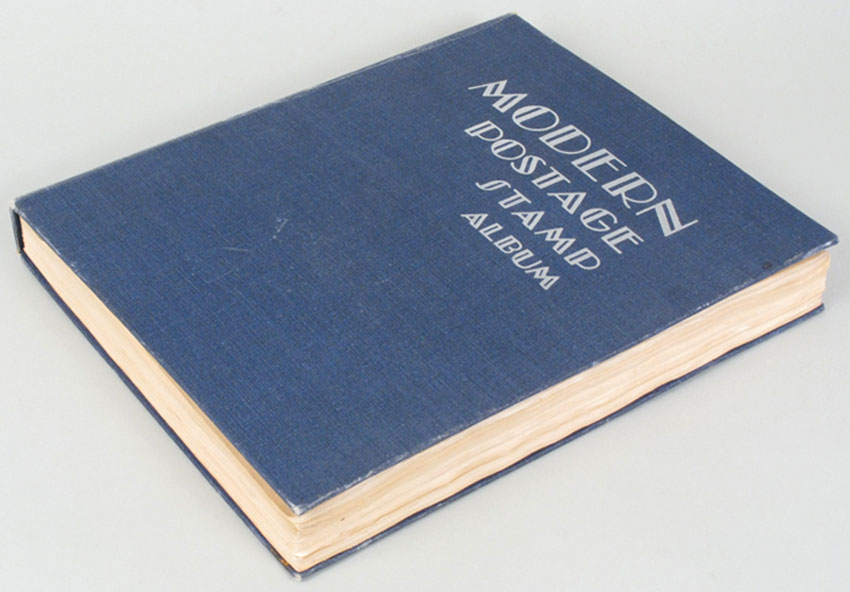
Stamp collections turn up in a lot of New Jersey estates: a 1940s album on a closet shelf, glassine envelopes in a desk drawer, a shoebox of first day covers, full sheets of 1970s postage still in their sleeves. The person who built the collection usually knew exactly what was in it. The family usually doesn't. This guide covers how to keep the collection from losing value while the estate is sorted, why the number in a catalog is not the number a buyer pays, when an appraisal makes sense, and the realistic routes for each kind of material, using the American Philatelic Society's guidance for heirs.
| What you find | What to know | Typical route |
|---|---|---|
| Albums of mixed used stamps | Mostly common material; value tends to sit in a few pieces | In-person look by a dealer or club member, then dealer or estate sale |
| Mint U.S. sheets and booklets (1940s-80s) | Still valid postage; usually trades around face value | Use for estate mail, or sell to a dealer |
| Envelopes, covers, first day covers | Leave stamps on; postmarks and routing can matter | Postal history or cover specialist |
| Old deeds or checks with revenue stamps | Leave stamps on the document | Specialist or auction after identification |
| Classic or high-value single stamps | Condition, centering and authenticity drive value | Expert opinion, then auction or a specialist dealer |
| Christmas seals, 'gold' replicas, promoted sets | Not postage stamps, or little resale market | Family, donation or the estate sale tables |
Before Anyone Touches the Albums
- Store the albums somewhere cool and dry, not the attic or a damp basement. The American Philatelic Society (APS) warns that humidity or moisture can destroy a collection's value, and that albums should be stored upright, because pressure on a stacked or leaning album can make stamps stick to the page
- Don't soak stamps off envelopes, peel them out of mounts, trim them or 'clean' them. Collectors value condition and originality, and a stamp still on its envelope can be worth more as postal history than loose
- Leave revenue stamps on old documents. The APS suggests leaving them on the original deeds, checks or certificates until you know more about them
- Don't break up the collection yet. Keep albums, stockbooks, covers and loose envelopes together until someone knowledgeable has seen them in person
First, Look for the Collector's Own Notes
Before anyone values anything, search the desk and the albums for an inventory list, a want list, receipts from dealers or auctions, a separate insurance rider or policy covering the collection, and any written instructions about what the collector wanted done with it. The APS lists those exact items as the most useful starting points for heirs. A collector who insured the stamps separately probably had material worth insuring, and dealer invoices show where the better pieces came from. If you find nothing, the next step is getting someone qualified to look at it in person; the APS is blunt that descriptions over the phone or by email are not productive.
Catalog Value Is Not What You'll Be Paid
The Scott Standard Postage Stamp Catalogue, which many public libraries keep, lists and values postage stamps by country and number. It's a useful reference, but the APS's own FAQ warns that you should not expect to sell stamps for the listed values: many dealers sell below catalog, and to stay in business they have to buy for less than they sell. Age is also a weak guide. The APS notes that a number of U.S. stamps issued in the 1800s list at the Scott catalog's minimum value of 20 cents, and that Scott values are based on stamps with Fine to Very Fine centering, so off-center or damaged copies are worth less than the listing. Most collections are mostly common material, and the APS says most of the value usually sits in a small portion of the collection.
Mint U.S. Postage Is Still Postage
Sheets and booklets of unused U.S. stamps are common in estates, especially from the 1940s through the 1980s. According to the APS, all U.S. stamps issued since the Civil War are still valid for postage, and dealers often sell stamps from that era at or even below face value. The APS also says most U.S. stamps issued since 1940 sell today at or around their original face value. In practice, that means a stack of mint postage is often worth about what it says on it, and its most useful job may be paying the postage on the estate's own mail. Non-denominated letter stamps (A through H) also remain valid at set values the APS lists. Stamps that were already used are not valid for postage, even if they missed a cancel.
Clearing a Collector's Home in New Jersey?
Tell us about the house, what's in it and your timeline, and we'll match you with New Jersey estate sale companies. Ask each one how it handles stamp albums and covers, and whether it sets collections aside for a specialist. Free, no obligation.
Get Matched FreeGetting Help Without Getting Taken
The APS recommends contacting a member dealer or a local stamp club, or going to a nearby stamp show, and it keeps searchable directories of all three. A club member can often tell you whether a collection is worth the cost of a formal appraisal. If you take the albums to a dealer, say clearly that you are not asking for an official appraisal unless you are prepared to pay for one. If you ask a dealer to come to the house, the APS notes that they may expect to be paid, so agree on that in advance.
The APS says the vast majority of dealers are trustworthy, and it suggests checking that a dealer belongs to the APS, the American Stamp Dealers Association or the National Stamp Dealers Association, which have codes of ethics. A stamp show is the easiest way to compare: you can show the same albums to several dealers in one afternoon and see who pays what. Get more than one offer and take your time; the APS says it has seen too many heirs sell in a hurry and regret it.
When a Formal Appraisal Is Worth Paying For
A paid appraisal makes sense when the estate needs a documented value, for example for an estate inventory, a dispute among heirs, an insurance claim or a charitable donation, or when the collector's notes suggest serious material. The APS says a formal appraisal may not be needed unless it's required for legal purposes, that it could cost $75 to $250 an hour, and that it doesn't guarantee the stamps will sell at the appraised value. Agree in advance on the fee and on whether the appraisal reports resale value or replacement value, and expect the appraiser to focus on the better items rather than inventorying every common stamp.
Our guide to hiring an appraiser before an estate sale covers credentials and fee structures more generally. Collections often come in pairs, too; if the same desk holds coins, see selling a coin collection from an estate.
Where an Inherited Stamp Collection Usually Goes
- Kept or passed on. The APS suggests that if a collection has little monetary value, a child or grandchild may get more from it as a hobby than the family would get from selling it
- Stamp dealers. The APS says most mid-priced material, roughly $1 to $100 an item, is sold to dealers, either as one lot or in parts to specialists. A dealer who focuses on Latin America may pay more for Mexican stamps than a general U.S. dealer, and a postal history specialist may pay more for covers
- Public auction. For individual items worth hundreds or thousands of dollars, the APS says a well-publicized public auction is often the right venue, but payment will likely take three months or more, where a dealer usually pays right away
- Donation. Some philatelic organizations, including the APS, are IRS-approved nonprofits and accept donations. Check what the organization actually needs before you ship anything, and see what an estate can and can't deduct
- The estate sale. Low-value albums, supplies, mint postage and general accumulations can go on the sale tables. A collection with real value usually shouldn't, and a good estate sale company will tell you so
Questions to Ask an Estate Sale Company
- Do you have someone who knows stamps, or do you refer collections to a dealer or auction house before the sale?
- Will you set stamp albums and covers aside for a separate evaluation instead of pricing them for the tables?
- If a dealer buys the collection through you, is your commission taken from that sale? Put the answer in the contract
- How do you display and secure albums during the sale so pages aren't pulled or stamps removed?
- What happens to stamps that don't sell? Are they returned, donated or included in a buyout?
Red Flags
- A buyer who insists you decide on the spot. The APS says it isn't unreasonable to expect an offer to stay valid for 30 days, and that if someone demands an immediate decision you are probably better off passing
- An offer made from photos or a phone description of a collection nobody has looked through
- Someone who calls a free look an 'appraisal' and then wants to buy the whole lot that afternoon. Ask up front whether you are getting an informal valuation or a paid appraisal
- Collector products sold by mail-order promoters, such as 'gold' replica stamps or heavily advertised limited sets, presented as investments. The APS notes that gold stamp replicas are not actual postage stamps and have little resale market
- A dealer who won't say whether they belong to the APS, the American Stamp Dealers Association or the National Stamp Dealers Association, all of which the APS says have codes of ethics
If the family plans to donate, read estate sale donations and tax deductions first. For papers and personal items that should be pulled before any sale, see what not to sell at an estate sale. If the collector was an APS member who died within the past year, the APS Estate Advisory Service may be able to send a member volunteer to look at the collection; the APS lists (814) 933-3803 ext. 205 for that service. This page is general information, not an appraisal or tax advice.
Sources
- American Philatelic Society: Suggestions for an Inherited Collection, checked November 10, 2026
- American Philatelic Society: FAQ (catalog values, validity of old U.S. stamps, revenue stamps, replicas), checked November 10, 2026
- American Philatelic Society: Estate Advice
- Photo: bomont57, Modern Postage Stamp Album 1946 (CC BY 2.0), via Wikimedia Commons
Frequently Asked Questions
How do I find out what my father's stamp collection is worth?
Start with any inventory, insurance rider or dealer receipts the collector left. Then have the collection looked at in person by a stamp dealer, a member of a local stamp club, or several dealers at a stamp show. The American Philatelic Society keeps directories of member dealers and local clubs. Catalogs such as the Scott Standard Postage Stamp Catalogue help identify stamps, but catalog value is not what a buyer will pay.
Do I need a formal appraisal for an inherited stamp collection?
Not always. The APS says a formal appraisal may not be needed unless it is required for legal purposes, notes that one could cost $75 to $250 an hour, and says it guarantees nothing about what the stamps will sell for. If the estate's attorney or accountant needs a documented value, agree with the appraiser in advance on the fee and on the basis for valuation, resale value or replacement value.
Are old unused U.S. stamps worth more than face value?
Usually not for stamps from the 1940s onward. The APS says most U.S. stamps issued since 1940 sell at or around their original face value, and that dealers often sell 1940s to 1980s stamps at or below face. All U.S. stamps issued since the Civil War remain valid for postage, so mint sheets can be used for mailing.
Should I take the stamps off the envelopes?
No. Leave stamps on covers and documents until someone knowledgeable has seen them. Postmarks, routing and a cancel that ties the stamp to the envelope can matter to collectors, and the APS suggests leaving revenue stamps on their original documents. Self-adhesive U.S. stamps made since about 2007 generally won't soak off in water anyway.
Is it better to sell a stamp collection to a dealer or at auction?
It depends on what is in it. The APS says most material worth roughly $1 to $100 an item is sold to dealers, while individual items worth hundreds or thousands of dollars are often better at a well-publicized public auction. A dealer usually pays right away; an auction can take three months or more to pay. Getting more than one offer is the APS's standing advice.
The collector was an APS member. Is there extra help?
Yes. If the collector was an APS member who died within the past year, the APS says its Estate Advisory Service may be able to connect heirs with member volunteers who can look at the collection and give advice. The service is only for heirs of APS members.
Get Matched With an Estate Sale Company
Compare walkthroughs and written terms from New Jersey estate sale companies, including how they handle collections that belong with a specialist.
Get Matched Free