Selling a Fur Coat From an Estate: What You Have, What It's Realistically Worth to a Buyer, and Where It Can Go
Fur coats turn up in a lot of New Jersey estate closets: a mink bought for an anniversary in the 1970s, a fox stole with the heads still on, a Persian lamb jacket, a garment bag full of hats and collars. Families often assume a fur is the most valuable thing in the closet, and then learn the market for vintage fur is thin. This guide covers how to identify what you have, what keeps a fur sellable while the estate is sorted, which furs come with legal limits, and the realistic routes, from resale and consignment to remaking and donating fur to wildlife rehabilitators.
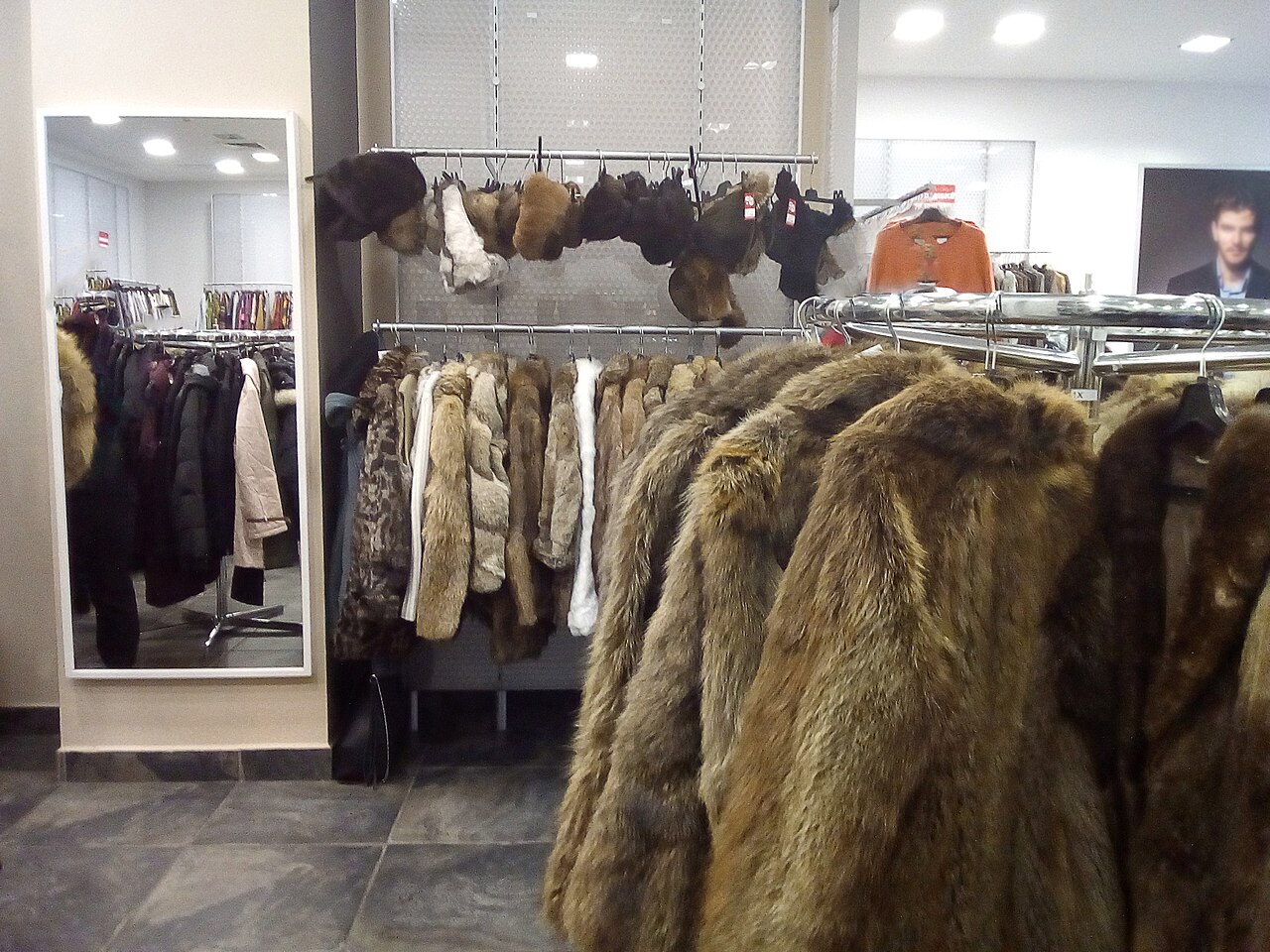
| What you find | What to know | Typical route |
|---|---|---|
| Full-length or jacket mink | Condition and cut drive interest; check the leather side for dryness | Furrier opinion, then resale, consignment, online or estate sale |
| Fox, raccoon, rabbit or beaver coats | Generally legal to resell; shedding and worn edges are common | Consignment, online or estate sale; donation if worn |
| Persian lamb (karakul) jackets | Very common in older closets; some fur donation programs don't accept it | Estate sale, vintage or costume buyers, or a remake |
| Stoles and scarves with heads and tails | Collectible to some vintage buyers; too small for some donation programs | Vintage shops, online or estate sale tables |
| Spotted cat (leopard, ocelot, jaguar) or seal | May be illegal to sell across state lines or at all without a permit | Confirm species and ask USFWS before doing anything |
| Hats, collars, cuffs and trim | Low value one by one | Group lots at the estate sale, crafters or donation |
While the Estate Is Being Sorted
- Hang each fur on a broad, shaped hanger with room around it. Crushing in a packed closet flattens the hair and creases the skins
- Use a breathable cloth garment bag. Don't seal a fur in a plastic dry-cleaning bag, which traps moisture
- Keep furs cool, dark and dry. Attics, hot cars, damp basements and sunny windows all damage pelts and fade color
- Don't add mothballs. Some fur donation programs refuse items treated with them, and the smell is hard for buyers to get past
- Don't cut out labels or monograms, and keep every receipt, appraisal, insurance rider and cold-storage ticket with the coat
- Check whether a fur is still in a furrier's cold storage. Storage tickets and bills in the desk are the clue, and a forgotten coat may need to be claimed
Start With the Label
The label sewn into the lining is the fastest way to identify a fur. Federal law, the Fur Products Labeling Act enforced by the Federal Trade Commission, and the FTC's rules under it require fur garments sold in the U.S. to carry a label naming the animal that produced the fur, disclosing whether the fur is dyed, bleached or otherwise artificially colored, identifying the responsible company by name or registered identification (RN) number, and, for imported fur, stating the country of origin. The RN number can be looked up to find the maker. Many coats also carry the furrier's or department store's label and sometimes the original owner's monogram. Write all of it down before anyone moves the coat. If there's no label, a furrier can usually tell mink from fox, rabbit, raccoon or sheared beaver at a glance, and can tell real fur from faux. The furrier who sold or stored the coat may still have records, so a name and town on the label is worth a phone call.
Why Vintage Fur Is Hard to Sell
The honest starting point: demand for secondhand fur is much weaker than what most families expect, and a coat's original price says little about what a buyer will pay now. Fewer people wear fur, several jurisdictions have restricted the sale of new fur, and resale furriers tend to prefer recent, well-kept coats in current cuts over older styles. Shoulder pads, very long or boxy cuts and dated linings narrow the buyer pool further. Condition matters more than anything. A fur's leather side dries out with age; when the skins become brittle, seams split and the pelts tear, and that damage is expensive or impossible to fix. A shedding coat, bald patches, worn cuffs and edges, torn linings and smoke or musty odors all push a coat toward remake material or donation. None of that means a fur is worthless. It means the realistic outcome depends on species, condition, size and style, and it's worth getting a furrier's opinion before you plan around a number.
Furs With Legal Limits
Most estate furs, such as mink, fox, rabbit, raccoon, beaver, muskrat and Persian lamb, are legal to resell in the United States. A smaller group is not so simple. The U.S. Fish and Wildlife Service explains that under the Endangered Species Act, selling an item made from an endangered or threatened species in interstate or international commerce may be prohibited depending on the species, the item's age and origin, and that for U.S. species listed as endangered or threatened, such as jaguar, no interstate sale of any kind is allowed without a permit regardless of age. Coats made from big spotted cats, such as leopard, cheetah, jaguar or ocelot, were fashionable before those species were protected, and they still surface in estates. The Marine Mammal Protection Act separately prohibits selling products from protected marine mammals such as seals, with exemptions for items that predate the 1972 law and certain authentic Alaska Native handicrafts, as long as the species isn't further protected under the ESA. If a fur might be an exotic cat, a seal or another protected animal, don't list it or ship it until you've confirmed the species and asked the Fish and Wildlife Service whether it can be sold. International shipping of wildlife products raises CITES permit questions too.
Selling to Buyers in Other States
State rules can affect where a buyer can take a coat. California, for example, banned the sale of new fur products, but its statute exempts used fur, so a secondhand mink sold through a consignment shop or an estate sale is still legal there. A handful of cities have their own rules on fur sales. If you sell online and ship out of state, the listing site's own rules on fur and wildlife products apply on top of the law, so read them before you list.
Clearing a Home With a Closet Full of Furs?
Tell us about the house, what's in it and your timeline, and we'll match you with New Jersey estate sale companies. Ask each one how it handles furs, and whether it checks labels and species before pricing. Free, no obligation.
Get Matched FreeWhere Inherited Furs Usually Go
- Kept and worn, or remade. A furrier can restyle a coat or turn it into something the family will use, such as a vest, a throw, pillows or a keepsake bear made from a parent's coat. Get a written quote first; remaking is often worth it for sentiment rather than money
- A resale furrier. Some furriers buy or consign good-condition coats. They are most interested in clean, supple, recent furs in common sizes, and will tell you quickly if a coat isn't one
- Consignment or vintage shops. Upscale consignment stores and vintage clothing shops sometimes take fur, usually in the fall and winter when it sells. Ask about the consignment split and the length of the consignment period in writing
- Costume and theater buyers. Older styles that don't suit a resale furrier can appeal to costume rental companies and theater wardrobes
- Selling online. Fur-specific marketplaces and general resale sites both have buyers. List the label, the fur type, measurements (shoulders, chest, sleeve, length), daylight photos of the front, back, lining and any wear, and state flaws plainly
- The estate sale. Furs can sell on sale day, especially in cold-weather months, if they're hung well, priced realistically and displayed where staff can watch them. Fur trims, hats and collars often do better in a group than one by one
- Donation to wildlife rehabilitators. Fur that won't sell can still be useful as bedding for orphaned and injured wild animals. See below for how that works
Questions to Ask an Estate Sale Company
- Do you sell furs at your sales, or do you refer them to a furrier or consignment shop first?
- Will you check labels and species before pricing, and set aside anything that could be an exotic or protected fur?
- How will furs be displayed and secured on sale day, and will they be in a room staff can watch?
- If a furrier or consignment shop sells a coat through you, is your commission taken on top of theirs? Put the answer in the contract
- What happens to furs that don't sell? Are they returned, donated to a wildlife rehabilitator, or included in a buyout?
Red Flags
- A buyer offering to take every fur in the house from photos, before anyone has checked labels or condition
- A 'free appraisal' that turns into an offer to buy the coats on the spot
- Anyone willing to buy or ship a spotted-cat or seal fur without asking about the species or the law
- Pressure to sell a coat that's still in a furrier's cold storage before you've seen it
Donating Fur to Wildlife Rehabilitators
Real fur that won't sell still has a use. Wildlife rehabilitators line enclosures with it so orphaned and injured animals have something warm and familiar to burrow into. Born Free USA has run a donation drive called Fur for the Animals since 2014; it publishes a map of participating rehab centers and sanctuaries by state and asks donors to pick one close to home and contact it before shipping. Wildlife Rescue & Rehabilitation in Kendalia, Texas accepts real fur coats, stoles, hats and collars by mail and notes that fur is especially useful in its spring and summer baby season. The Cuddle Coats program run by the Animal Rights Coalition in Minneapolis accepts furs by mail or drop-off. Its posted rules are a good guide to what rehabbers want: real fur only, no pieces treated with mothballs, no Persian lamb, and pieces at least a foot square, so small trim, gloves and stoles with heads and tails often don't qualify.
You may have heard of Coats for Cubs. Buffalo Exchange ran that drive for years, but its own site now says the program is no longer running and suggests shipping furs directly to a wildlife rehabilitator. Whatever program you use, call first; needs change with the season.
Taxes on a Sale or a Donation
Selling an inherited coat for less than it was worth when the owner died generally doesn't create a taxable gain, because inherited property usually takes its date-of-death value as its basis. Our guide to whether estate sale proceeds are taxable explains how that works for the rest of the house. If you donate a fur to a qualified charity and itemize, the deduction is generally its fair market value, meaning what it would sell for now. The IRS requires a qualified appraisal for a noncash item, or group of similar items, claimed at more than $5,000. Ask the estate's accountant before claiming anything; this is not tax advice.
If a fur might be valuable enough to matter for the estate inventory, a dispute among heirs or an insurance claim, see hiring an appraiser before an estate sale. For coats that don't sell, our page on what happens to unsold items after an estate sale covers buyouts and donation pickups. And if you're deciding between a shop and a sale, read estate sale vs. consignment first.
Sources
- U.S. Fish and Wildlife Service: "Can I Sell It?" fact sheet (ESA, MMPA, CITES), checked November 19, 2026
- FTC rules under the Fur Products Labeling Act, 16 CFR Part 301 (eCFR)
- Animal Legal & Historical Center: Can I sell an old fur made from an endangered animal?
- Born Free USA: Fur for the Animals
- Wildlife Rescue & Rehabilitation: Other Ways to Donate (furs)
- Cuddle Coats: Donate and Help an Orphaned Animal
- Coats for Cubs (program ended)
- IRS: About Form 8283, Noncash Charitable Contributions
- Photo: MAKY.OREL, Secondhand vintage fur coats and shawls in Prague shop (CC0), via Wikimedia Commons
Frequently Asked Questions
Is an inherited mink coat worth anything?
It can be, but usually far less than the family expects. Demand for secondhand fur is weak, and value depends on condition, size, style and color more than on what the coat originally cost. A supple, well-kept mink in a current cut has the most interest; dried-out skins, shedding or torn seams push a coat toward remaking or donation. A furrier can give you a realistic read in person.
How can I tell what kind of fur I have?
Read the label. Under the federal Fur Products Labeling Act and FTC rules, fur garments sold in the U.S. are labeled with the animal's name, whether the fur is dyed or bleached, the responsible company's name or RN number, and the country of origin for imported fur. Record that, the furrier's or store's name, and any monogram. Without a label, a furrier can identify the species and tell real fur from faux.
Is it legal to sell a fur coat?
Most common furs, like mink, fox, rabbit, raccoon and Persian lamb, can generally be resold. Furs from endangered or protected species are different. The U.S. Fish and Wildlife Service says interstate or international sale of items from endangered or threatened species may be prohibited, and the Marine Mammal Protection Act restricts sales of products from marine mammals such as seals. If a coat could be a spotted cat or seal, confirm the species and ask USFWS before selling.
Can I sell a used fur coat to someone in California?
California's fur law bans the sale of new fur products but exempts used fur, so a genuinely secondhand coat is not covered by that ban. Check the rules of any marketplace you use, and don't ship furs from protected species across state lines.
Where can I donate an old fur coat?
Wildlife rehabilitators use real fur as bedding for orphaned and injured animals. Born Free USA's Fur for the Animals program lists participating rehab centers and sanctuaries by state and recommends contacting one before shipping. Wildlife Rescue & Rehabilitation in Kendalia, Texas and the Cuddle Coats program in Minneapolis also accept real fur by mail. Buffalo Exchange's Coats for Cubs drive has ended.
Can I take a tax deduction for donating a fur coat?
If the recipient is a qualified charity and you itemize, generally you can deduct fair market value, meaning what the coat would sell for today, not what it cost. The IRS requires a qualified appraisal for a noncash item or group of similar items claimed at more than $5,000. Ask the estate's accountant before claiming a deduction; this is not tax advice.
Should furs go in the estate sale?
Often, yes, if they're in decent condition and the sale is in the colder months. A good estate sale company will check labels and species first, set aside anything that might be protected, consider whether a strong coat belongs with a furrier or consignment shop, and display furs where staff can watch them.
Get Matched With an Estate Sale Company
Compare walkthroughs and written terms from New Jersey estate sale companies, including how they handle furs, jewelry and other items that may belong with a specialist.
Get Matched Free